As the world shifts towards sustainable and eco-friendly transportation options, electric cars have taken center stage, promising a greener future on the roads. With this rapid surge in electric vehicle (EV) adoption comes the need for specialized electric car insurance considerations. Whether you’re exploring new vehicle insurance for a fully electric model or considering hybrid car insurance for a plug-in hybrid, understanding your coverage options is essential.
In this blog post, we’ll explore the key factors and considerations that should guide your decision-making process when it comes to securing the right insurance coverage for your electric vehicle. From unique technical aspects to potential cost variations, we’ll equip you with the knowledge needed to make an informed choice and hit the road with confidence.
Understanding Electric Car Insurance

Electric car insurance is similar to traditional car insurance in many ways. It provides coverage for liability, collision, comprehensive, and other types of losses. However, there are some key differences between electric car insurance and traditional car insurance. If you’re comparing hybrid car insurance versus full EV coverage, it’s important to understand how each type of new vehicle insurance addresses the unique components of electric powertrains.
One difference is that electric cars are typically more expensive to repair than gas-powered cars. This is because they have more expensive batteries and other components. As a result, electric car insurance premiums are also typically higher than traditional car insurance premiums. Understanding electric car insurance rates helps you budget accurately for your new vehicle insurance policy.
Another difference is that electric cars are less likely to be involved in accidents. This is because they are quieter and have better acceleration, which can make them less likely to be hit by other cars. However, electric cars are still susceptible to accidents, so it is important to have insurance coverage.
Let’s learn more about this below.
Electric Vehicle Safety Rating Guide and Insurance Implications
When shopping for electric car insurance or hybrid car insurance, the electric vehicle safety rating guide plays a crucial role in determining your premiums. Insurance providers closely examine safety ratings from organizations like Euro NCAP and NHTSA when calculating electric car insurance rates. Electric vehicles with higher safety ratings often qualify for lower premiums because they’re statistically less likely to be involved in serious accidents.
Modern EVs typically feature advanced driver-assistance systems (ADAS), including automatic emergency braking, lane-keeping assist, and blind-spot monitoring. These safety features can significantly impact your new vehicle insurance costs. When comparing policies, ask insurers if they offer discounts for vehicles with superior safety ratings or advanced safety technology packages.
What Determines Your Electric Car Insurance Rates?

Vehicle-specific Factors
- Battery type and capacity: The type and capacity of the battery in an electric car is one of the biggest factors that affects electric car insurance rates. Batteries that are more expensive to replace will result in higher electric car insurance premiums. Hybrid car insurance may have different battery-related costs since hybrid batteries are typically smaller than full EV batteries.
- Repair and replacement costs of electric components: Electric cars have a number of unique components that are more expensive to repair or replace than those found in gas-powered cars. This includes the battery, electric motors, and charging equipment.
- Performance and acceleration features: Electric cars that have high performance or acceleration features may be considered to be riskier to insure. This is because they are more likely to be involved in accidents.
Driver-related Factors
- Driver’s age and driving history: Drivers who are younger or have a history of accidents or traffic violations will typically pay higher insurance premiums.
- Annual mileage and usage patterns: Drivers who drive more miles per year or who use their car for frequent long-distance trips will typically pay higher insurance premiums.
- Location and charging infrastructure availability: The location where the car is garaged and the availability of charging infrastructure can also affect insurance rates. Cars that are garaged in high-crime areas or that have limited access to charging stations may be considered to be riskier to insure.
Coverage Options for Electric Car Insurance

Liability coverage is the most basic type of electric car insurance and new vehicle insurance. It protects you from financial responsibility if you are found at fault in an accident that injures someone or damages their property.
When it comes to electric car insurance, liability coverage is important because they can be more expensive to repair than traditional gasoline cars. For example, the battery in an electric car can cost tens of thousands of dollars to replace. If you are found at fault in an accident and do not have enough liability coverage, you could be personally responsible for paying for the other driver’s damages. This applies equally to hybrid car insurance policies, where battery damage can still be costly.
Comprehensive Coverage
Comprehensive coverage protects your car from damage caused by non-accident-related incidents, such as theft, vandalism, and natural disasters. This type of coverage is important for electric car insurance because they are more likely to be stolen than traditional gasoline cars. Comprehensive coverage can also help pay for the cost of repairing or replacing your car if it is damaged by a hailstorm, flood, or other natural disaster. When securing new vehicle insurance, comprehensive coverage is particularly valuable for protecting your investment in advanced EV technology.
Collision Coverage
Collision coverage protects your car from damage caused by accidents with other vehicles or objects. This type of coverage is important for all cars, but it is especially important for electric cars. It can also help pay for the cost of your deductible if you are at fault in an accident.
Uninsured/underinsured Motorist Coverage
Uninsured/underinsured motorist (UM/UIM) coverage protects you if you are injured in an accident by a driver who does not have insurance or who does not have enough insurance. This type of coverage is important for all drivers, but it is especially for electric car owners because they are more likely to be hit by uninsured drivers.
Specialized Electric Car Coverage
In addition to the basic coverage options mentioned above, there are also a few specialized electric car coverage options available. These options can help protect you from the unique risks associated with owning an electric car, such as:
- Battery degradation coverage: This type of coverage helps pay for the cost of replacing your car’s battery if it loses its ability to hold a charge.
- Charging equipment damage coverage: This type of coverage helps pay for the cost of repairing or replacing your car’s charging equipment if it is damaged in an accident or by theft.
Expert Tips for Choosing the Best Electric Car Insurance Policy

Here are some additional tips for getting the best electric car insurance and hybrid car insurance in the UAE:
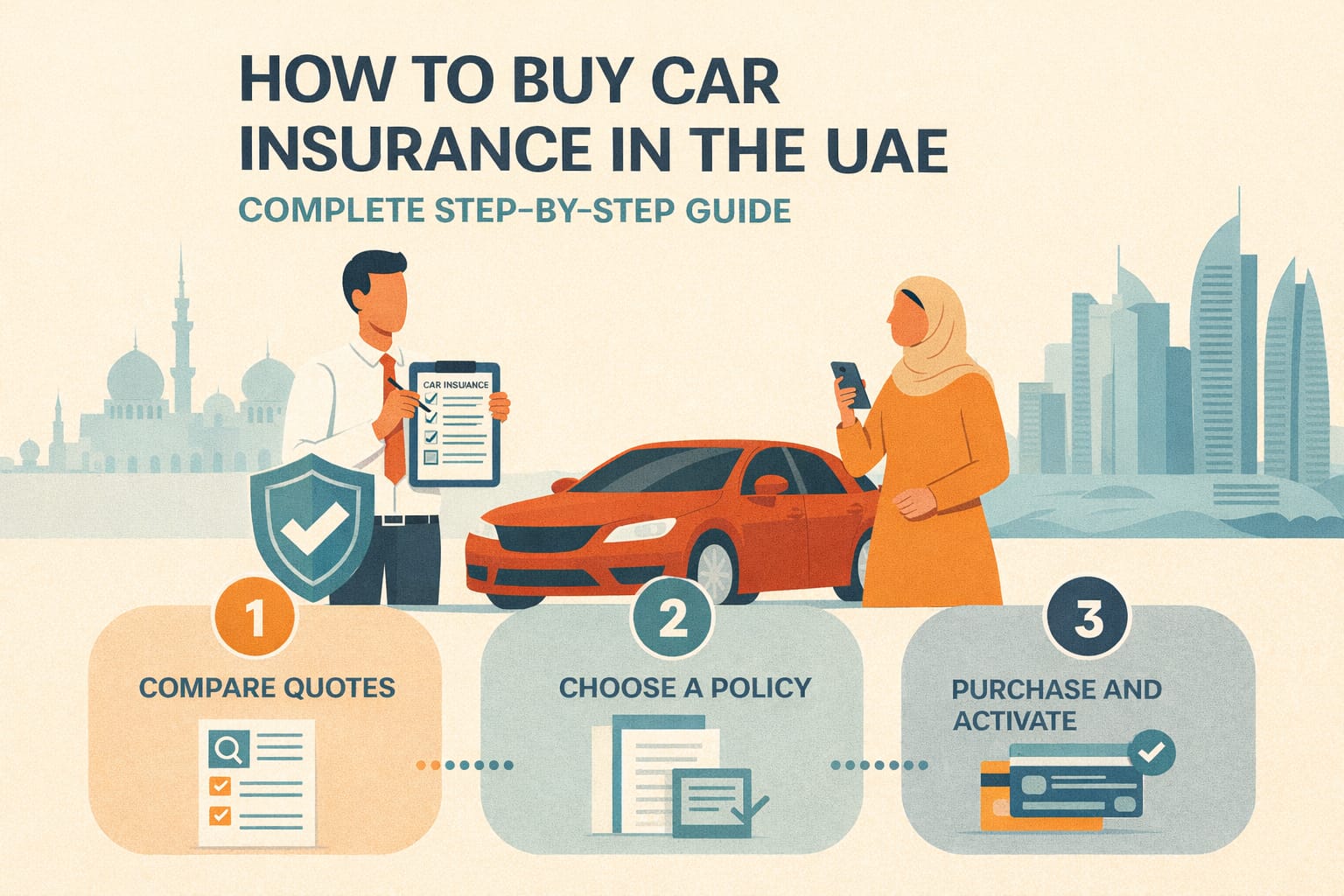
- Shop around: Get quotes from several different insurers before making a decision. Electric car insurance rates can vary significantly between providers, so comparing at least 3-5 quotes for your new vehicle insurance is essential.
- Consider your driving habits: If you drive a lot of miles, you may need to purchase more
- Ask about discounts: There are a number of discounts available for electric car insurance and hybrid car insurance, such as discounts for good driving records, anti-theft devices, and vehicles with high ratings in the electric vehicle safety rating guide.
- Read the policy carefully: Before you purchase a policy, be sure to read it carefully and understand what is covered and what is not.
By following these tips, you can get the best possible electric car insurance for your needs and budget in the UAE.
Additionally, the UAE government has recently introduced a number of incentives for electric car owners, including reduced registration fees and free parking in some areas. These incentives may affect the cost of your insurance.
And If you plan to drive your electric car outside of the UAE, be sure to check with your insurer to make sure your policy is valid in other countries.
Conclusion
In conclusion, when you’re looking to get electric car insurance or hybrid car insurance for your new vehicle insurance needs, there are a few important things to remember. First, make sure you understand the coverage you need and how electric car insurance rates are calculated based on factors like battery type, safety ratings, and repair costs. Second, shop around and compare different insurance providers to find the best deal. Third, consider any special needs your electric car might have, like battery coverage. Fourth, be aware of any discounts you could be eligible for.
And finally, always read the policy carefully and ask questions if you’re unsure about anything.
Taking these steps will help you drive with confidence, knowing you have the right electric car insurance protection for your electric or hybrid vehicle. Whether you’re insuring a brand-new Tesla or a pre-owned Nissan Leaf, understanding electric car insurance rates and coverage options ensures you’re fully protected on UAE roads.