The “GCC” in GCC vehicles stands for Gulf Cooperation Council. Imagine it as a sort of club that includes six countries from the Arabian Gulf region: the United Arab Emirates, Saudi Arabia, Qatar, Oman, Kuwait, and Bahrain. Now, these countries share many things in common, including climate and economic interests, so they work together in many areas, including setting car standards.
Just like how you’d pick your clothes based on the weather (you won’t wear a heavy jacket in summer, right?), cars too need to be designed keeping in mind the climate of the place they’ll be used in. For example, the Arabian Gulf region is known for its extreme heat, dust storms, and harsh weather conditions. So, GCC vehicles are cars that have been specially designed and made to handle these harsh conditions. It could mean having a super-strong air conditioning system, special paint that can resist sun damage, or even an enhanced cooling system to prevent the engine from overheating.
On the other hand, NON-GCC vehicles are cars that come from countries outside this Gulf ‘club’. These cars might not have GCC vehicles’ unique features because they were designed for different climates. For example, a vehicle for the cooler weather of Germany or the UK may not be equipped to handle the intense heat of a Gulf summer. So, in the Gulf region, you can still drive these Non-GCC vehicles; they might not perform as well or last as long as GCC vehicles.
In short, when you hear “GCC vehicles”, think of it as a badge that says, “I’m built to handle the Gulf’s tough climate!”. And when you hear “NON-GCC vehicles”, that’s a car saying, “I might not be specially built for the Gulf, but I can still get you where you need to go”.
Why should you prefer to look at a GCC specification vehicle as your preferred choice?
- Cost Efficiency: While GCC spec vehicles might be more expensive upfront, they are often more cost-efficient in the long run. Their durability in local weather conditions means less frequent repairs and maintenance, saving you money. Plus, warranty coverage can significantly reduce unexpected repair costs.
- Specialized Brands: Certain car brands have made a name for themselves in the GCC region due to their focus on producing vehicles tailored to local conditions. For instance, Toyota, Nissan, and Lexus are popular choices among GCC customers. These brands continuously innovate and upgrade their cars to suit the GCC environment better, winning the trust and loyalty of local customers.
- Fuel Efficiency: Given the high temperatures in the region, air conditioning usage is high, which can affect a car’s fuel efficiency. However, GCC spec vehicles are designed with this in mind, boasting more fuel-efficient engines to counterbalance the extra energy usage.
- Safety Standards: They design GCC vehicles to meet the specific safety regulations of the Gulf region. They come equipped with essential safety features like Anti-Lock Braking Systems (ABS), Electronic Brakeforce Distribution (EBD), and more, offering a layer of protection for drivers.
- Comfort and Luxury: Beyond the technical specifications, GCC vehicles also provide comfort and luxury suited to regional preferences. For instance, they often feature premium interiors, advanced infotainment systems, and other luxury amenities that resonate well with the GCC consumer base.
Overall, the preference for GCC vehicles stems from their ability to offer a seamless driving experience tailored to the region’s unique requirements. In addition, they encapsulate the perfect blend of durability, performance, safety, and luxury, making them a smart choice for residents in the Gulf countries.
What is the Market for NON-GCC Vehicles like?
- Pricing: NON-GCC vehicles can be cheaper upfront due to varying import duties, tax structures, and specifications between regions. In some cases, importing a NON-GCC vehicle might be more economical than buying the GCC spec equivalent, even with shipping and import costs. However, it’s important to note that while the initial purchase price may be lower, the potential maintenance, servicing, and parts replacement costs can add up over time.
- Unique Models and Features: Certain car models or specific features might be exclusive to certain regions or markets outside the GCC. These can range from performance-oriented specifications like engine or suspension tuning to aesthetic elements like exclusive colour options or interior trims. These unique attributes can be a significant draw for car enthusiasts or collectors, making NON-GCC vehicles an attractive choice despite their potential shortcomings in local conditions.
- Pre-Owned Vehicles: The market for pre-owned or used NON-GCC vehicles also contributes to their regional presence. These vehicles can offer a more affordable entry point for owning a particular model or brand. However, potential buyers should exercise due diligence to ensure the vehicle can handle the local climate and that maintenance won’t pose too much of a challenge.
- Exotic and Luxury Cars: NON-GCC vehicles also have a place in the luxury and exotic car market. You can import high-end brands or models not officially sold in the GCC region, catering to a niche clientele who value exclusivity and uniqueness over practicality.
While the market for NON-GCC vehicles exists and serves specific segments of buyers, it’s crucial to consider all potential factors such as maintenance, servicing, parts availability, and suitability to local conditions before opting for a NON-GCC vehicle.
How to Identify a GCC Spec Vehicle:
- Check the Chassis and Engine Number: Start by locating the chassis and engine numbers. These are unique identifiers for the vehicle. They are typically found on the driver’s side door or under the car’s hood. If the vehicle is GCC spec, these numbers should be written in Arabic. If you need help finding these numbers, your car manual should provide guidance, or you can ask a knowledgeable friend or mechanic to help.
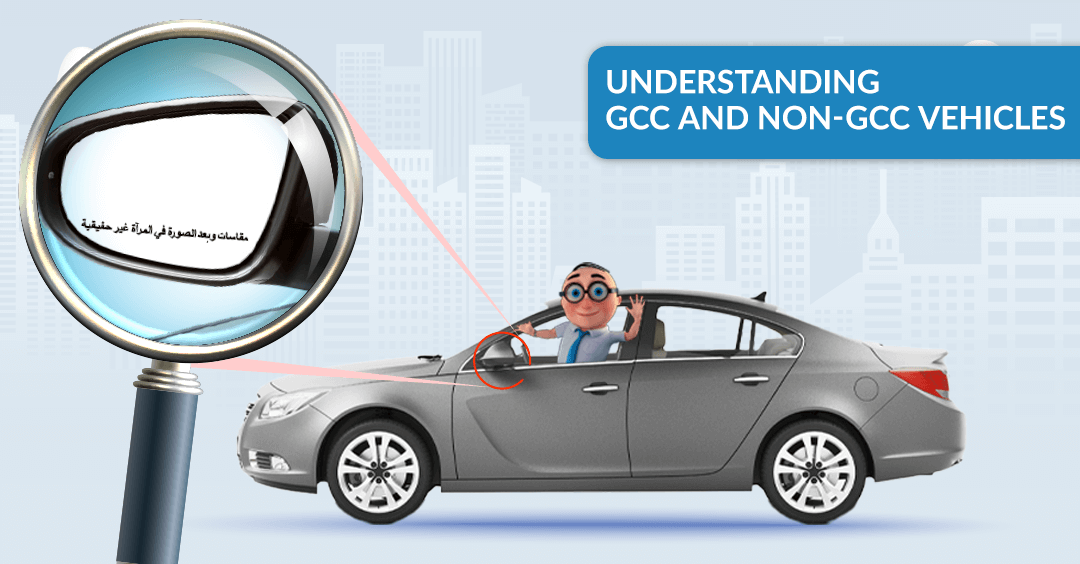
- Look at the Side-View Mirrors: Arabic writing should also be present on the side-view mirrors of GCC vehicles. This writing typically includes instructions for the mirror’s use or safety warnings. If you don’t see Arabic writing, it’s possible that the car is not GCC spec.
- Request the Vehicle Conformity Certificate (VCC): The VCC is an important document that verifies a vehicle’s specifications and confirms it meets specific standards, including those of the GCC. If you’re considering buying a car, ask the seller to provide this Vehicle Conformity Certificate. If they can’t, this could be a red flag.
- Check the Official Dealer’s Invoice: The dealer’s invoice details the car’s origin and specifications. This invoice should clearly state that the car is of GCC specification for GCC vehicles. Again, this is typically written in both English and Arabic.
Remember, if you’re unsure or if something needs to be corrected, having a trusted mechanic or car expert take a look is a good idea. Purchasing a car is a significant investment, so it’s worth ensuring everything is as it should be.
Understanding Non GCC Car Insurance in the UAE
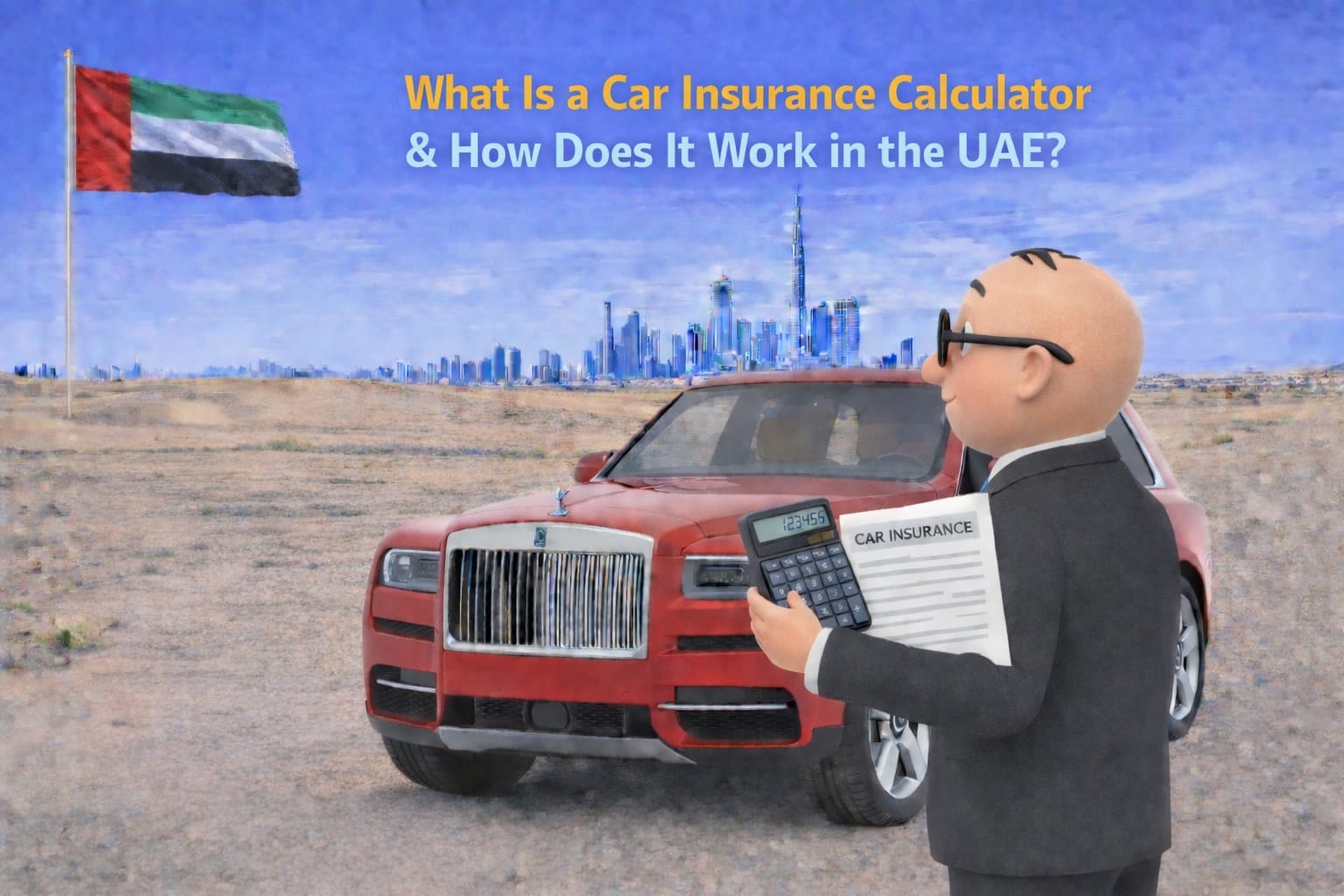
When it comes to non GCC car insurance UAE, it’s essential to understand that insurance coverage for non-GCC vehicles operates differently than for GCC-spec cars. Many insurance providers in the region offer specialised car insurance for non-GCC cars, though the premiums and coverage options may vary.
Non GCC Car Insurance Dubai: What You Need to Know
If you own a non-GCC vehicle in Dubai or anywhere in the UAE, securing proper non GCC car insurance Dubai coverage is crucial. While some insurance companies may hesitate to provide comprehensive coverage for non-GCC vehicles, several insurers specialize in this market segment. The key is to shop around and compare policies that specifically cater to non-GCC specifications.
Non GCC Car Comprehensive Insurance Options
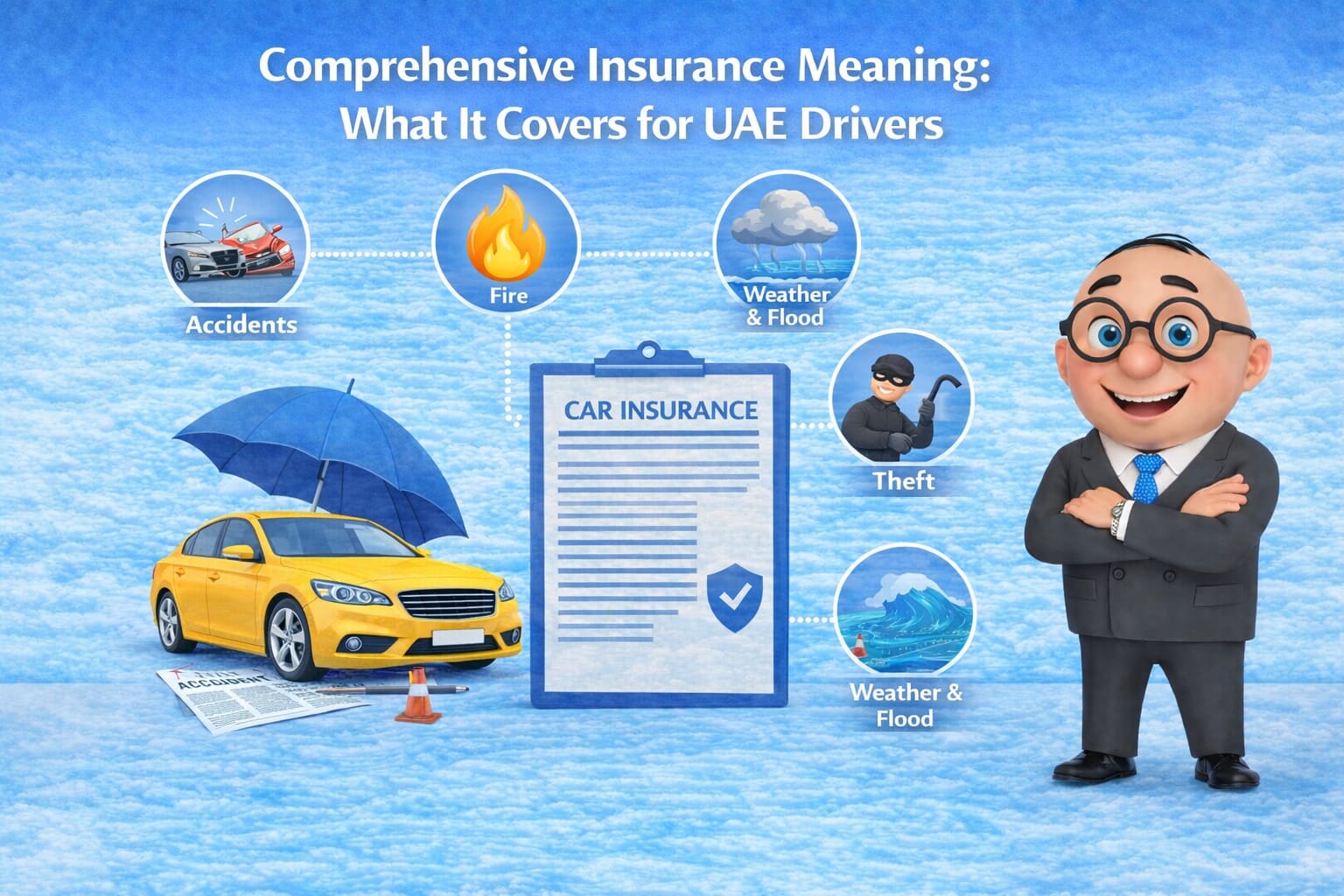
Non GCC car comprehensive insurance is available through select providers who understand the unique requirements of these vehicles. Comprehensive coverage for non-GCC cars typically includes protection against accidents, theft, fire, and third-party liability. However, premiums for non GCC car comprehensive insurance are often higher than those for GCC vehicles due to:
- Limited availability of spare parts
- Higher repair costs
- Reduced warranty coverage
- Greater risk of climate-related damage
Finding the Right GCC Insurance for Car Coverage
Whether you’re looking for GCC insurance for car coverage or insurance for a non-GCC vehicle, it’s important to work with reputable insurance providers who understand the UAE market. When comparing car insurance for non GCC cars, consider factors such as:
- Coverage limits and exclusions
- Premium costs and deductibles
- Claim settlement process
- Roadside assistance availability
- Workshop network and parts availability
Owning a NON-GCC vehicle in the GCC region
- Warranty and Services: .One of the most significant challenges of owning a NON-GCC vehicle is the lack of warranty coverage. These vehicles often come without a manufacturer’s warranty that’s valid in the GCC region, which means if anything goes wrong, the cost of repairs will likely come straight out of your pocket. This makes securing reliable non GCC car insurance UAE coverage even more critical for protecting your investment.
- Climate Suitability: Unlike GCC spec vehicles, NON-GCC cars aren’t designed to withstand the harsh weather conditions of the Gulf region. This lack of customisation could lead to performance issues or accelerated wear and tear. For instance, the car’s cooling system may not be equipped to handle the intense heat, potentially leading to overheating problems. In addition, the air conditioning system might be less powerful and less efficient than those in GCC vehicles, making driving in the hot summer months uncomfortable. Moreover, the paint and interiors of NON-GCC cars may fade or degrade faster due to constant exposure to strong sunlight.
- Resale Value: When you’re ready to sell, you might find that NON-GCC vehicles have a lower resale value than their GCC counterparts. It is primarily due to their lack of suitability to the local climate and potential warranty issues. Conversely, buyers in the region typically prefer GCC vehicles due to their advantages in terms of warranty, services, and suitability to the local environment.
- In conclusion, while NON-GCC cars may initially seem attractive due to lower costs or unique models, they can present significant challenges in the long run. Therefore, considering these factors, including proper non GCC car insurance Dubai coverage, and making an informed decision when choosing between GCC and NON-GCC vehicles is essential. In conclusion, while NON-GCC cars may initially seem attractive due to lower costs or unique models, they can present significant challenges in the long run. Therefore, considering these factors, including proper non GCC car insurance Dubai coverage, and making an informed decision when choosing between GCC and NON-GCC vehicles is essential.
Factors Influencing the Reliability of GCC Cars:
- Adaptability to Local Conditions: GCC vehicles are specifically engineered to withstand the harsh weather conditions prevalent in the region. This customization increases the vehicle’s lifespan, making them a reliable choice for long-term use.
- Maintenance and Servicing: The availability of authorized service centres and spare parts makes GCC cars’ maintenance more manageable and efficient, contributing to their overall reliability. Regular servicing ensures the vehicle remains in good condition, preventing sudden breakdowns or performance issues.
- Warranty Coverage: GCC cars come with a manufacturer’s warranty valid across the GCC region. This warranty coverage gives the owner peace of mind as any manufacturing defects or issues will be addressed without incurring additional costs. This advantage makes GCC insurance for car coverage more straightforward and often more affordable than insurance for non-GCC vehicles.
- Resale Value: GCC cars have a higher resale value because of their suitability to the local environment and broader buyer acceptance. This factor adds to their reliability as they ensure a better return on investment when you decide to sell.
Choosing a Car – Additional Considerations:
- Brand Reputation: Look at the reputation of the brand and the specific model you’re considering: research customer reviews and reliability ratings.
- Fuel Efficiency: Consider the car’s fuel efficiency, as fuel costs can significantly add to the overall cost of ownership.
- Safety Features: Check the safety features of the car, including airbags, anti-lock braking system (ABS), and electronic stability control (ESC), among others.
- Insurance Costs: Insurance Costs: Research the cost of insuring the car model. Insurance costs can vary based on the car’s value, safety features, and the driver’s profile. If you’re considering a non-GCC vehicle, be sure to get quotes for car insurance for non GCC cars as premiums may differ significantly from GCC vehicle insurance.
- Test Drive: Always take the car for a test drive to ensure it feels comfortable and performs well.
n conclusion, buying a car, whether GCC or NON-GCC, is a significant decision that requires careful consideration of numerous factors. With their adaptability to local conditions, warranty coverage, and higher resale value, GCC vehicles often come out as a more reliable and preferred choice for residents in the Gulf region. However, individual needs and circumstances are crucial in making the final decision. So, research, understand the pros and cons, secure appropriate non GCC car insurance UAE or GCC insurance for car coverage as needed, and make an informed choice that suits your specific requirements and budget.
FAQs
What is the difference between GCC and non-GCC car insurance in the UAE?
Can I get comprehensive insurance for my non-GCC car in Dubai?
How do I identify if my car is GCC or non-GCC spec?
Why is car insurance for non-GCC cars more expensive?
Is it worth buying a non-GCC vehicle in the UAE?