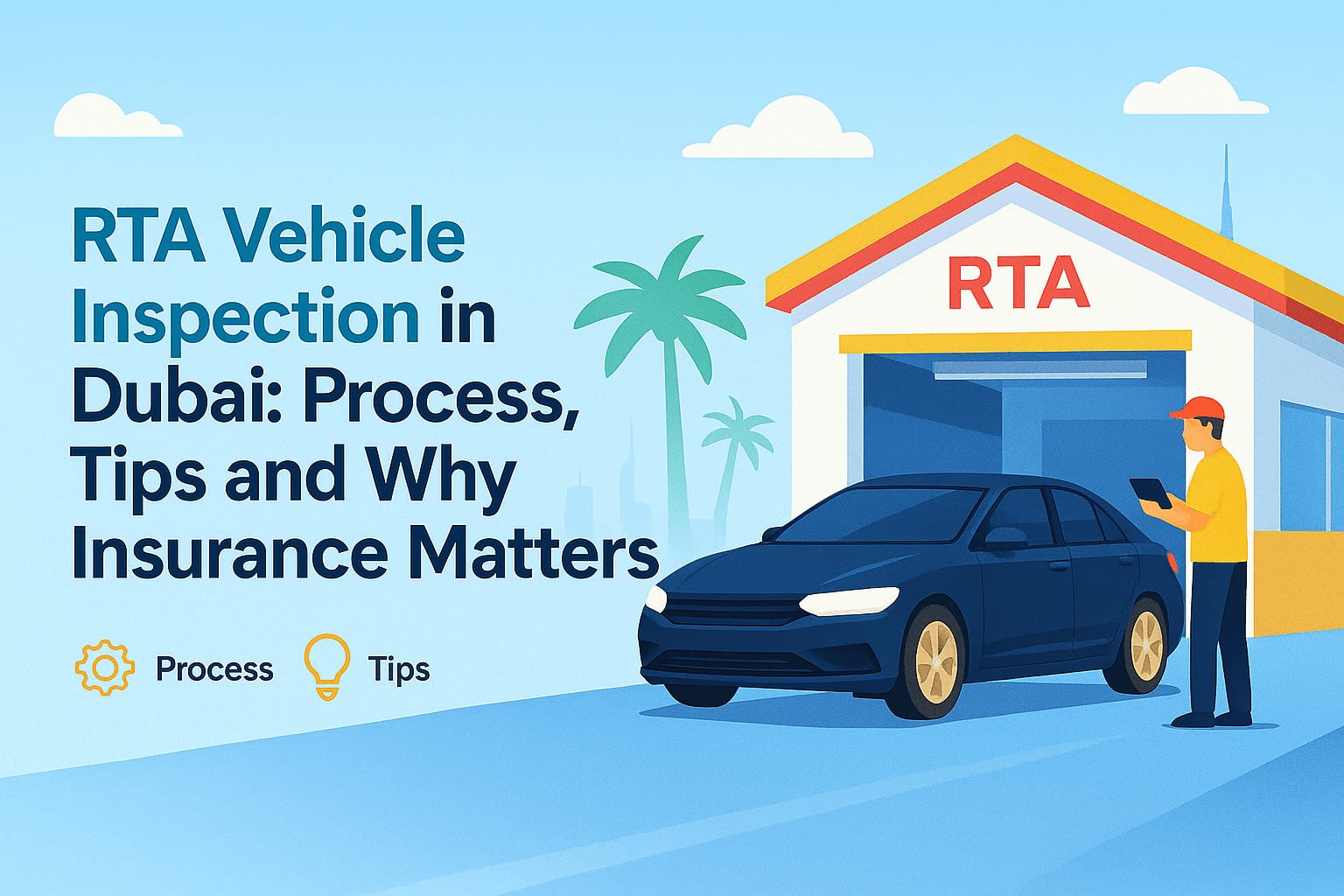
If your car is more than a few years old in Dubai, a successful RTA vehicle inspection is essential before you can renew your registration. The test checks whether your vehicle is roadworthy and safe for UAE roads, and failing it can delay both registration and insurance‑related tasks.
This guide explains when inspection is required, how vehicle testing Dubai works, and how to prepare your car so you pass first time.
What Is an RTA Vehicle Inspection?
An RTA vehicle inspection Dubai often called vehicle testing or car inspection is a mandatory roadworthiness check carried out at RTA‑certified testing centres such as Tasjeel, Shamil or Tamam.
During the test, your vehicle is examined in dedicated testing lanes, and the process is visible on screens at the centre. At the end, you either:
- Receive a pass certificate, which allows registration renewal, or
- Get a fail report, listing the repairs needed before a re‑test.
When Is a Vehicle Inspection Required in Dubai?
Vehicle inspections are an important part of maintaining road safety and ensuring compliance with Dubai’s registration requirements.
In general:
- New vehicles are exempt from annual inspections for the first three years from the date of first registration.
- Once a vehicle is more than three years old, it must undergo a mandatory roadworthiness inspection each year before registration can be renewed.
A vehicle inspection may also be required in other situations, including:
- Registration of certain vehicle categories, where an inspection is required as part of the registration process.
- Exporting a vehicle, which typically requires an export inspection or export test before the vehicle can be shipped or deregistered for export.
Completing the required inspection on time helps avoid delays in registration, renewal, or export procedures and ensures your vehicle meets the applicable safety and roadworthiness standards.
What Is an RTA Vehicle Inspection?
Before attending a vehicle inspection in Dubai, make sure you have the necessary documents and information ready. At a minimum, you should be prepared to provide:
- Emirates ID details
- Vehicle registration card (Mulkiya) for registered vehicles
- Chassis details for new, imported, or unregistered vehicles
- Previous inspection report, if you are returning for a re-test after a failed inspection
Vehicle inspections must be carried out at an RTA-approved testing centre, such as Tasjeel, Shamil, or Tamam
Before handing over your vehicle for inspection, it is also a good idea to:
- Remove valuables and personal belongings from the vehicle
- Ensure the vehicle is reasonably clean and accessible for inspection
- Check that tyres, lights, mirrors, and other visible safety items are in good condition
Arriving prepared can help make the inspection process smoother and reduce the risk of delays or re-testing.
What Does the Vehicle Inspection Check?
During a vehicle inspection in Dubai, the testing centre looks at a range of safety, mechanical, and roadworthiness components to ensure the vehicle meets the required standards.
Typical inspection checks include:
- Brakes and suspension systems to ensure safe handling and stopping performance
- Tyres, steering, and wheel alignment for stability and road safety
- Headlights, indicators, brake lights, and other lighting systems to confirm proper operation
- Exhaust emissions and visible smoke levels to verify compliance with environmental requirements
- Chassis integrity and underbody condition to identify structural damage, corrosion, or safety concerns
- General safety features, including seatbelts, mirrors, the windscreen, and other essential components
The overall objective of the inspection is to confirm that the vehicle is roadworthy, mechanically sound, and safe to operate under UAE driving conditions. Passing the inspection is a key requirement for vehicle registration, renewal, and certain ownership or export procedures.
Vehicle Testing and Inspection Fees in Dubai
The cost of vehicle testing in Dubai depends on the type of inspection and vehicle category. Approximate fees include:
| Inspection Type | Light Vehicles | Heavy Vehicles |
| Periodic vehicle test | AED 150 | AED 150 |
| New vehicle registration test | AED 120 | AED 150 |
| First re-test | Usually free | Usually free |
| Second re-test | AED 35 | AED 37.50 |
| Export test | AED 25 | AED 25 |
Fees can typically be paid directly at the testing centre or through available digital payment channels.
Important: Vehicle testing fees and service charges may change over time. Always verify the latest rates through the official RTA website or with your chosen testing centre before your appointment.
Preparing Your Car for Inspection and Insurance Renewal
Since a successful vehicle inspection is required for registration renewal—and valid registration is linked to maintaining active car insurance in the UAE—it pays to prepare your vehicle beforehand.
Here are some practical steps to improve your chances of passing the inspection:
- Service your vehicle in advance – Address any known issues such as worn brakes, damaged tyres, faulty lights, or fluid leaks before the test.
- Perform basic checks yourself – Inspect tyre tread and pressure, headlights, indicators, brake lights, wipers, and the horn to ensure everything is working properly.
- Remove personal belongings – Clear out loose items and valuables before handing the vehicle over for testing.
- Check dashboard warning lights – Warning indicators for systems such as the engine, ABS, or airbags should be investigated and resolved before the inspection, as they may lead to a failed test.
- Coordinate with your insurance renewal – Try to schedule your vehicle inspection, insurance renewal, and registration renewal within the same timeframe to avoid unnecessary delays or gaps in coverage.
Preparation can always save you the inconvenience of a re-test and help ensure a smoother renewal process.
Common Reasons Vehicles Fail Inspection in Dubai
If your vehicle does not pass the inspection, the testing centre will provide a report outlining the issues that need to be fixed before a re-test. Some of the most common reasons for failure include:
- Worn, damaged, or cracked tyres that do not meet safety requirements
- Brake problems, including poor braking performance or an imbalance between wheels
- Faulty, damaged, or misaligned lights, such as headlights, indicators, or brake lights
- Excessive exhaust emissions or visible smoke, indicating potential engine or emissions-system issues
- Structural damage, corrosion, or rust affecting the chassis or other critical components
- Fluid leaks, including oil, coolant, or brake fluid leaks, that could affect vehicle safety and reliability
A failed inspection is not the end of the process. The inspection report clearly identifies the defects that need attention, allowing you to complete the necessary repairs and return for a re-test.
Addressing these issues promptly can help you avoid delays in renewing your vehicle registration and in maintaining continuous compliance with insurance and roadworthiness requirements.
Tips to Help Your Vehicle Pass Inspection
Here are a few tips that can help you prepare for your car inspection
- Always do a pre‑inspection at your garage – many workshops in Dubai are familiar with RTA standards and can prepare your car specifically for the test.
- Fix all major faults before testing – Do not hope they will “pass anyway”; it usually costs you more time and another trip.
- Arrive early – Queues at popular RTA testing centres in Dubai locations can be long at peak times.
- Keep records – Previous failure reports and repair invoices help if questions arise.
What Happens If Your Vehicle Fails Inspection?
If your car fails:
- You will receive a failed report showing which areas did not meet standards.
- You must repair the issues and return for a re‑test within 31 days.
- The first re‑test is free; the second re‑test has a small fee (AED 35–37.50, depending on vehicle type).
If you do not pass within the allotted time, you may need to retake the full test and pay the fees again, which will delay your registration renewal.
Vehicle Inspection and Registration Renewal
The process for vehicle inspection and renewal is:
- Complete RTA vehicle inspection in Dubai successfully.
- Use the pass certificate to proceed with registration renewal.
- Ensure you also have valid motor insurance, as UAE law requires insurance to drive and to complete registration renewal.
This is why we recommend planning inspections, insurance renewals, and registration renewals together, especially for vehicles older than 3 years.
Common Myths About Vehicle Inspection in Dubai
- “New cars need testing every year.”
False. New vehicles are exempt for the first 3 years; testing becomes mandatory after that for annual renewal. - “If my car looks fine, it will pass.”
Not always. Even good‑looking cars can fail due to hidden issues like brake imbalance or emissions. - “Failing once means my car is finished.”
Not true. You have 31 days to repair and pass a re‑test, with the first re‑test free.
FAQs
What is an RTA vehicle inspection in Dubai?
When do I need a vehicle inspection in Dubai?
How long does a vehicle inspection take?
What documents are required for vehicle inspection?
Emirates ID details
Existing registration card, Mulkiya or vehicle details for new/imported cars
Previous failed report if returning for a re‑test
You pay the testing fee at the centre.
What happens if my car fails the inspection?
Do I need valid insurance before renewing my registration?
Conclusion
A smooth car inspection in Dubai starts with understanding when your vehicle needs testing, what inspectors assess, and how to prepare in advance. Taking the time to address potential issues before your appointment can improve your chances of passing on the first attempt, saving you both time and inconvenience.
Keeping your vehicle inspection, insurance renewal, and registration renewal aligned also helps ensure:
- Your registration remains valid and up to date
- Your vehicle stays roadworthy and compliant with RTA requirements
- You avoid unnecessary delays, penalties, or lapses in coverage
- Your insurance and registration records remain current
By planning ahead and staying on top of renewal dates, you can make the entire process far more straightforward.
If you’re unsure about inspection timing, required documents, or your upcoming insurance renewal, InsuranceMarket.ae can help you compare car insurance options and stay protected while meeting Dubai’s vehicle compliance requirements.