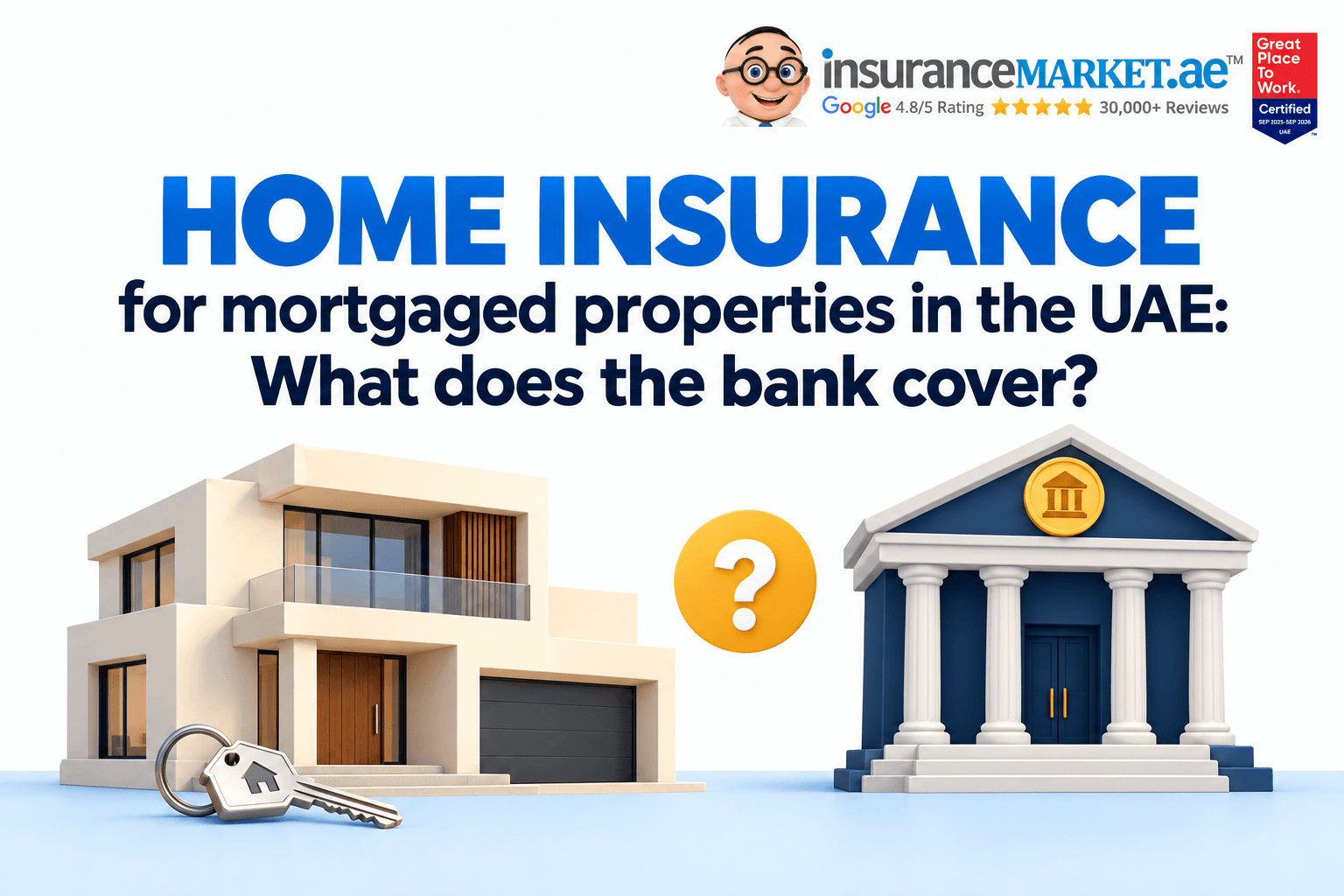
Buying a home with a mortgage in the UAE is a major financial commitment, and protecting your property is just as important as securing the loan. Most banks require buildings insurance as part of their mortgage conditions, but many homeowners are unsure about what this insurance actually covers.
Does the bank's insurance protect your furniture and electronics? What happens if your property is damaged? And do you need additional home insurance? Understanding the difference between bank-required insurance and personal home insurance can help you avoid gaps in coverage and make informed decisions.
This guide explains how home insurance for mortgaged properties works in the UAE, what banks typically require, and what additional protection you may need.
Why Do Banks Require Insurance on Mortgaged Properties?
When you take out a mortgage, your property acts as security for the loan. If the building suffers significant damage from events such as fire, explosion, or storms, both you and the bank could face financial losses. To protect their financial interest, banks typically require:
- Buildings insurance: Covers the physical structure of the property and permanent fixtures against insured risks.
- Mortgagee clause: Records the bank's financial interest in the property and may give it specific rights to insurance proceeds, depending on the policy terms.
The purpose is to ensure that financial protection is available to repair or rebuild the property following a covered event. However, the insurance required by your bank may not protect everything inside your home.
What Types of Insurance Are Linked to a UAE Mortgage?
When arranging a mortgage in the UAE, you may come across different types of insurance. While they are sometimes offered together, they serve different purposes.
| Insurance type | What it covers | Why it matters |
| Buildings insurance | The property's physical structure and specified permanent fixtures against insured risks such as fire, explosion, lightning, storms, flooding, escape of water, impact, riot, strikes, and malicious damage, depending on the policy. | Protects the property securing the mortgage and helps cover eligible repair or rebuilding costs. |
| Mortgage life insurance | May provide a benefit towards the outstanding mortgage if the insured borrower dies, subject to policy conditions. | Helps protect the lender's financial interest and may reduce the financial burden on the borrower's family. |
| Critical illness cover | May provide a benefit if the insured borrower is diagnosed with a covered critical illness, subject to the policy's definitions and conditions. | Can offer financial protection against certain serious health events. |
Important: Mortgage life insurance and critical illness cover are not substitutes for home insurance. They protect against different risks and do not cover physical damage to your property.
Does Mortgage Insurance Cover Contents Inside the Property?
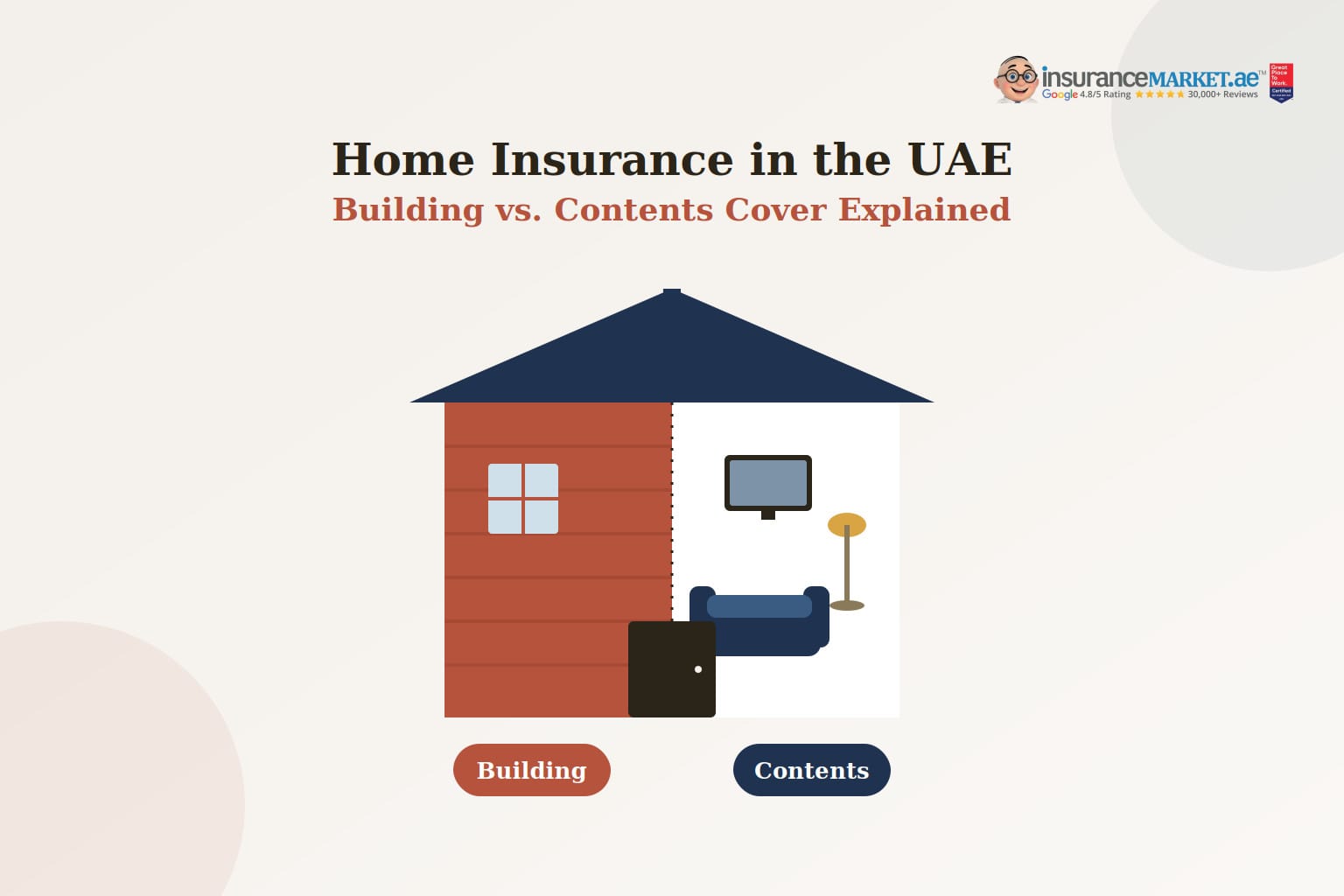
In most cases, the buildings insurance required by a mortgage lender does not automatically cover your household contents or personal belongings. To understand what protection you need, it's important to distinguish between three categories.
| Coverage category | What it generally includes |
| Buildings Insurance | The property's structure, garages, swimming pools, terraces, boundary walls, and permanent fixtures and fittings, where included in the policy. |
| Home contents | Furniture, appliances, televisions, laptops, rugs, curtains, carpets, décor, and other movable household items. |
| Personal belongings | Items such as clothing, watches, handbags, jewelry, and other possessions, subject to the policy's definitions and limits. |
For example, if a fire damages your home, the bank-required buildings insurance may cover eligible repairs to the structure. However, replacing your sofa, television, or other belongings may require separate contents insurance. Similarly, if water damage affects your furniture or electronics, you would need appropriate contents coverage for those losses to be considered.
If you want protection against risks such as fire, escape of water, or theft involving forcible entry, consider adding home contents insurance and personal belongings cover, depending on your needs.
Always review the coverage limits, exclusions, and conditions before purchasing a policy.
What Happens if Your Mortgaged Property Is Underinsured?
Underinsurance occurs when your property is insured for less than the amount needed to rebuild it. For buildings insurance, the sum insured should generally reflect the property's realistic rebuilding cost rather than its market value or outstanding mortgage balance. If your property is underinsured, you could face two important consequences.
1. Insufficient Funds to Rebuild Your Property
If your home suffers major damage, the insurance payout may not be enough to cover the full cost of repairs or rebuilding. This could leave you responsible for paying the difference, even if you have an active buildings insurance policy.
2. Reduced Claim Payments
Some buildings insurance policies include an average clause, which may reduce claim payments proportionally if the property is insured below its required value. This means underinsurance could affect not only major losses but also smaller claims. To reduce this risk, review your building's sum insured regularly and inform your insurer about major structural improvements or renovations that could increase rebuilding costs.
Can You Choose Your Own Home Insurance Provider?
Many UAE banks offer buildings insurance through their preferred insurance providers. However, whether you can choose a different insurer depends on your mortgage agreement and the lender's requirements.
Banks generally want to ensure that your property has adequate buildings insurance, coverage meets the lender's minimum requirements and the bank's interest is correctly recorded on the insurance policy. Some lenders may accept a policy from another insurer if it meets their conditions, while others may have specific insurance arrangements linked to the mortgage.
Before purchasing home insurance independently, check with your bank whether an external policy is acceptable. Even if your bank arranges the buildings insurance, you can generally explore separate contents and personal belongings insurance to protect your possessions.
Home Insurance for a Mortgaged Rental Property
If you purchase a mortgaged property in the UAE and rent it out, your insurance requirements may differ from those of an owner-occupied home. While buildings insurance may still be required by your lender, you may also want to consider additional protection designed for landlords.
This can include:
- Loss of rent cover: May compensate you for eligible rental income lost if the property becomes uninhabitable following an insured event.
- Property owner's liability cover: May provide protection against certain legal liabilities arising from property ownership, subject to policy terms.
Your tenant should also consider arranging their own contents insurance and tenant's liability cover, as your buildings insurance generally does not protect their personal belongings. It's equally important to inform your insurer that the property is rented out rather than owner-occupied. Incorrect occupancy information could affect your coverage or claims.
What Happens to Home Insurance When Your Mortgage Ends?
Once you've fully repaid your mortgage and the bank's financial interest in the property has been released, you can review your home insurance arrangements. You may need to contact your insurer to remove the bank as mortgagee from the policy. You can then decide whether to continue with your existing buildings insurance. Switch to another insurer or adjust your coverage. Increase or update your contents and personal belongings protection.
Although the mortgage has ended, your property remains exposed to risks such as fire, water damage, storms, and theft. Maintaining suitable home insurance can help protect your property and belongings even when you no longer have a mortgage.
Frequently Asked Questions
1. Is home insurance mandatory for a mortgage in the UAE?
2. Does a UAE mortgage automatically include home insurance?
3. Is mortgage life insurance the same as home insurance?
4. Does the bank's insurance cover my furniture and electronics?
5. Does a building master policy cover my apartment?
Protecting Your Mortgaged Home in the UAE
Home insurance for mortgaged properties in the UAE is designed to protect the building that secures your home loan. However, the insurance required by your bank may not cover everything you own.
Before relying on your mortgage-related insurance, check what the policy includes, confirm that the building is insured for an appropriate rebuilding value, and consider additional contents or personal belongings cover.
Looking for home insurance in the UAE? InsuranceMarket.ae can help you compare available coverage options and find protection that suits your property and personal needs.