Being a landlord in the UAE can be rewarding, but it also means your investment is exposed to fire, water leaks, storms and careless tenants. A serious incident can damage your property and interrupt your rental income for months.
The right home insurance UAE policy for landlords is designed to protect both the structure of your property and the cash flow it generates.
Structural Protection: Apartments vs. Villas
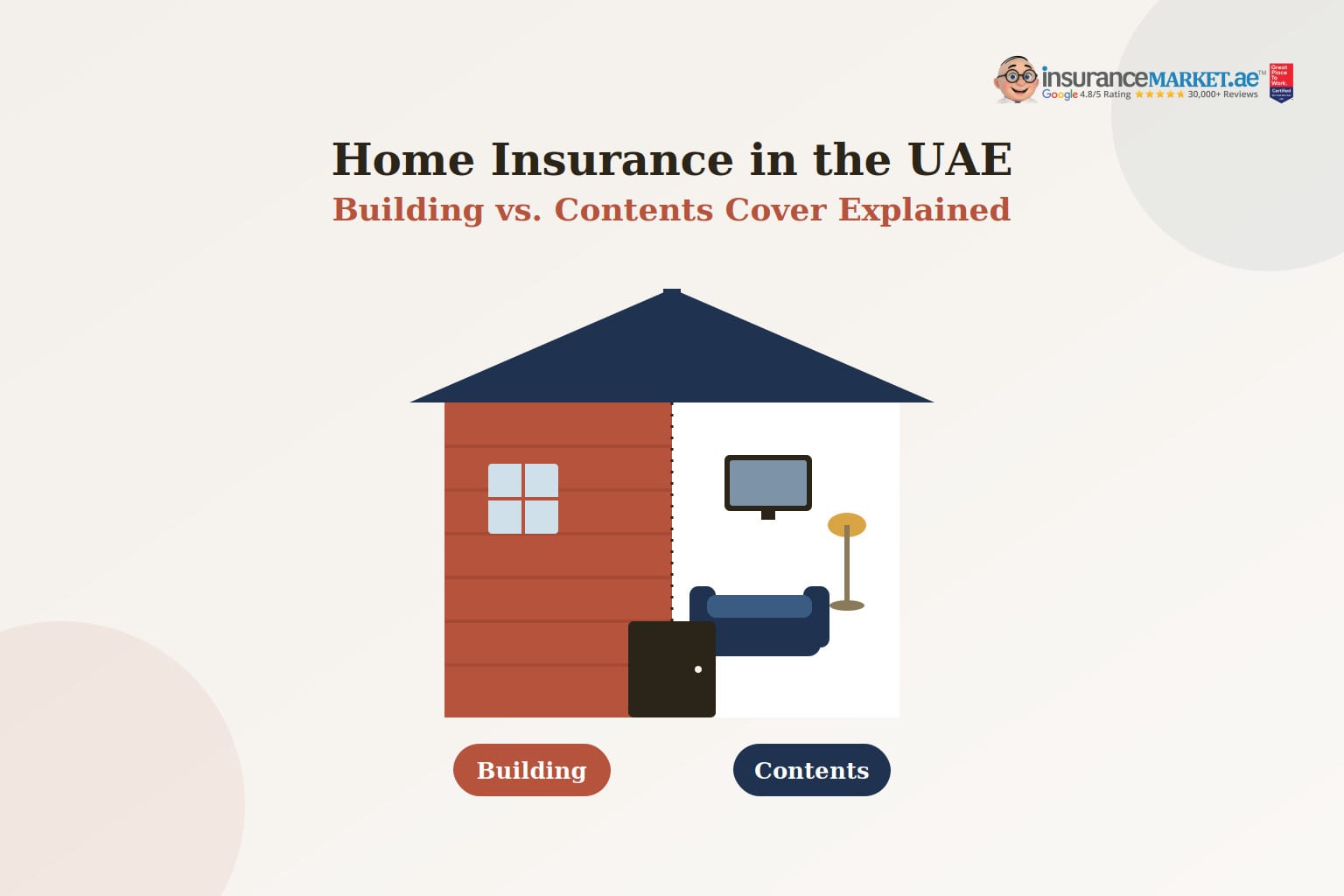
For landlords, the foundation of protection is building insurance. home training defines buildings as:
- Homes built of brick/stone/concrete with incombustible roofs
- Attached and detached garages and outbuildings
- Swimming pool, terraces, patios, drives, footpaths
- Boundary walls, fences and gates
- The landlord’s permanent fixtures and fittings – fitted kitchen, bathrooms, built‑in wardrobes, etc.
Key insured perils typically include fire, explosion, lightning, earthquake, smoke, storm or flood, sudden, accidental escape of water or leakage, riot, strike and malicious damage and also impact damage from vehicles or falling objects
Apartments – You generally insure your unit’s internal structure and fixtures. In some buildings there may also be a master building policy arranged by the owners’ association, but landlords still insure their own fixtures and loss of rent.
Villas – You are responsible for the entire structure: villa, pool, boundary walls and external structures. Building cover is essential here.
Loss of Rent Coverage: Protecting Your Cash Flow
If an insured event such as a major fire or burst pipe makes your property uninhabitable, good landlord home insurance usually includes loss of rent / alternative accommodation benefits.
For landlords this can cover the rental income you are unable to collect while repairs are carried out, or the cost of providing alternative accommodation for tenants depending on policy, typically for up to 12 months and within a specified limit.
Important points:
- Loss of rent is only payable when the property is uninhabitable due to an insured peril – not for normal vacancy, rent disputes, or market downturn.
- You cannot claim more than the agreed rent or policy limit.
This section is crucial if your mortgage or financial plans rely on steady rental income.
Tenant‑Caused Damage: Accidental vs. Malicious
Not all damage by tenants is the same in the eyes of an insurer.
1. Accidental damage
Examples: A tenant accidentally cracks a built‑in hob or A heavy object falls and chips tiles or damages a door.
Depending on your policy, accidental damage to buildings and/or contents may be covered, or available as an add‑on. There is also a tenant’s liability section under tenants’ policies that can pay landlords when the tenant’s insurance responds.
2. Malicious damage
Examples: A disgruntled tenant deliberately breaks doors or fixtures.
Some home insurance wordings treat malicious damage from any person as part of the “riot, strike and malicious persons” peril; others may have conditions or limits. As a landlord, you should check whether malicious damage by a tenant is covered or excluded. Keep clear handover and inspection reports to demonstrate condition before and after tenancy.
In all cases, wear and tear, gradual deterioration, and poor maintenance are excluded – insurers expect normal upkeep.
Landlord Public Liability & Legal Expense Cover
Landlords are not only exposed to physical damage; they also carry legal responsibilities. Typical landlord‑oriented home policies may include:
- Owner’s liability to the public – your legal liability as property owner not occupier if someone suffers bodily injury or property damage due to a defect related to the building e.g., falling balcony tile
- Occupier’s/employer’s liability and tenant’s liability – more relevant when you are living in or renting, but you should understand how these interact with your role as landlord.
- Legal assistance – some policies include cover for specific legal expenses and advice, for example in certain disputes or claims.
These sections do not replace full legal representation for all issues, but they can significantly reduce the cost of dealing with covered incidents.
How to File a Landlord Claim and Ensure Payout
Here are few important steps to follow when something goes wrong at your rental property
1. Make the property safe
Arrange emergency repairs to prevent further damage where reasonable e.g., turning off water, boarding broken windows
2. Notify the insurer or broker immediately
Provide policy number, property address, date/time and description of the incident.
4. Inform relevant authorities
Keep the police informed for theft or malicious damage and inform civil defense and fire brigade for fires.
5. Document the loss
Photos and videos of structural damage and affected fixtures. Entry/exit condition reports and tenancy agreements if tenant damage is involved.
6. Collect financial evidence
Rental contracts and bank statements to support loss of rent. Invoices or quotes for repairs or replacement of fixtures.
7. Complete claim form & co‑operate with adjuster
Respond honestly and promptly to questions, allow inspections and provide any requested documents.
Insurers will assess the claim against policy coverage and exclusions such as perils, malicious damage, unoccupancy rules, sums insured and Single Article Limits, and the principle of indemnity, you are compensated for actual financial loss, not profit. Being organized and transparent increases your chances of a smooth payout.
Conclusion
For landlords in the UAE, the right home insurance is more than a checkbox; it is a key tool to protect both your property and your rental income from unexpected events. Buildings cover shields the structure, loss of rent stabilises your cash flow after a major claim, landlord liability guards against legal risks, and clear claims procedures help you recover quickly.
If you own a rental property and are unsure how well you are protected today, call Instant Alfred to understand your options. We help you compare home insurance UAE landlord plans in minutes so you can choose cover that matches your asset, your tenants and your risk tolerance.
FAQs
1. Is landlord insurance mandatory in the UAE?
2. Does landlord insurance cover a tenant if they refuse to pay or leave?
3. Can the landlord deduct property repairs from the security deposit and then claim insurance?
It is important to disclose any amounts recovered from the tenant when making a claim. The insurer may reduce the payout accordingly, or expect the deposit to be used for the uninsured portion or excess. Always keep clear records and be transparent with your insurer to avoid disputes.