Introduction
If you’ve seen the news about the UAE’s new unified health insurance system and wondered what it actually means for you as a resident you’re not alone. In May 2026, UAE President Sheikh Mohamed bin Zayed Al Nahyan directed the launch of a federal health insurance framework that will standardize healthcare coverage for Emirati citizens across all seven emirates. It’s a significant reform. But if you’re an expat, the short answer is: your private insurance obligations haven’t changed yet.
Here’s what’s really happening, and what to watch for.
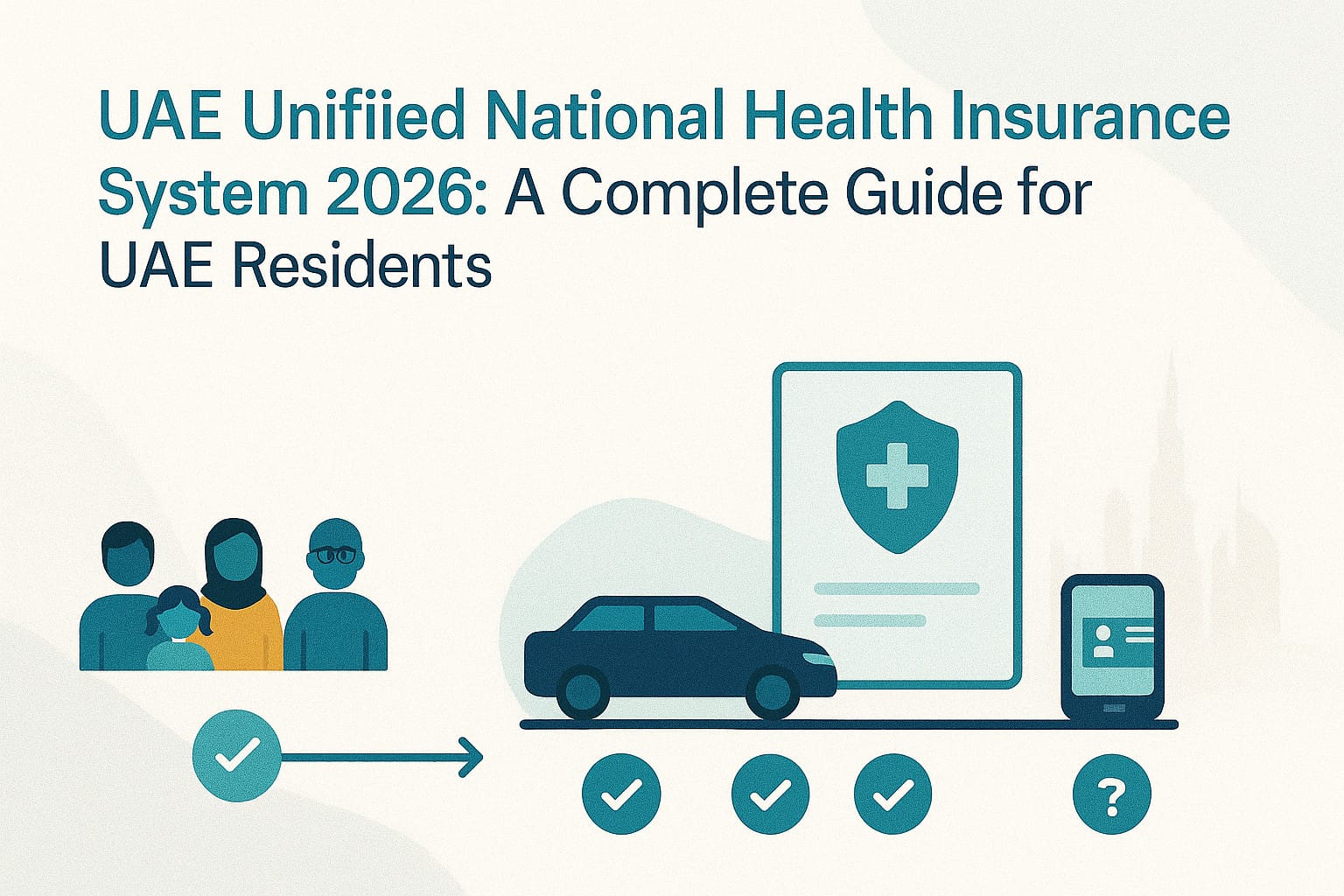
What Is the UAE’s Unified Health Insurance System?
The unified health insurance system is a federal health insurance framework for Emirati citizens that will:
- Standardise core health coverage policies across all seven emirates,
- Provide citizens with similar access to treatment and preventive services wherever they are in the country, and
- Integrate local health programmes (such as Thiqa, Saada, and others) under a single national umbrella.
It is part of a wider vision to create a connected, digitally enabled healthcare system focused on prevention, early detection and long‑term sustainability.
Why Is a Unified Health Insurance System Important?
Until now, health coverage for UAE citizens has largely depended on the emirate they live in.
For example:
- Abu Dhabi’s Thiqa programme is known for its broad and mandatory health coverage for citizens,
- Dubai offers separate citizen-focused programmes such as Saada and Enaya, while
- Other emirates have provided different levels of public healthcare support.
As a result, citizens across the UAE have experienced differences in:
- Benefit coverage,
- Access and approval processes, and
- The overall healthcare experience.
The new unified system is designed to help bridge these gaps by:
- Creating more consistent access to essential healthcare services,
- Promoting fairer coverage standards across emirates, and
- Supporting the UAE’s long-term quality-of-life goals for citizens.
How Health Insurance Currently Works in the UAE
Today, the UAE health insurance system operates through a combination of:
- Public healthcare programmes for Emirati citizens, managed separately by each emirate, and
- Mandatory private or employer-provided health insurance for residents across all seven emirates.
Here are a few important things residents should know:
- Health insurance is mandatory for all residents across the UAE. Dubai introduced mandatory health insurance on 1 January 2014 under Law No. 11 of 2013, while Abu Dhabi has enforced compulsory health coverage since 2007. From 1 January 2025, the requirement was also extended to the Northern Emirates, which means residents across all seven emirates are now required to have active health insurance coverage.
- Employers usually arrange health insurance for employees, while sponsors are generally responsible for covering their dependents.
- Each emirate continues to have its own healthcare regulator, minimum coverage requirements, and local insurance rules.
While the new unified national system is expected to focus first on UAE citizens, it also reflects a wider move towards a more connected and streamlined healthcare system across the country.
What Could a Unified Health Insurance System Mean for Residents?
For Emirati Citizens
Over time, the unified healthcare system is expected to bring several benefits for Emirati citizens, including:
- Clearer and more consistent health coverage across the UAE,
- Easier access to treatment in different emirates without lengthy or complex approval processes,
- Access to a wider network of accredited hospitals and clinics under a unified system,
- Reduced differences in healthcare coverage quality between emirates, and
- Improved digital healthcare services and more connected medical records.
For Expatriate Residents
At this stage, the announcement does not directly change private health insurance for expatriate residents in the UAE. However, it does point towards a future with:
- Better integration between public and private healthcare systems,
- Stronger digital medical records and data sharing, which could improve continuity and quality of care, and
- Possible alignment of certain healthcare and insurance regulations across emirates over time.
For now, expats should continue choosing private health insurance plans that match their healthcare needs and budget, while also staying informed about future regulatory developments in the UAE healthcare sector.
What Could Change for Employers and Businesses?
| Impact Area | What a More Unified System Could Mean |
| Public health programme coordination | More consistent interaction with public health programmes for Emirati employees across different emirates. |
| Employee movement between emirates | Less administrative fragmentation when employees relocate or work across multiple emirates. |
| Public and private scheme coordination | Possible future changes in how public healthcare programmes and private insurance schemes work together. |
| Expatriate employee insurance | Current employer obligations for expatriate health insurance remain unchanged for now. |
| Future regulatory considerations | Companies will need to monitor how federal healthcare policies evolve and how they may affect existing employer insurance mandates. |
.
How Residents Can Prepare and Stay Informed
Regardless of nationality, there are a few simple ways you can prepare for future healthcare changes in the UAE.
Start by understanding your current health insurance coverage. Make sure you know what your policy includes, which hospitals and clinics are part of your network, and what your annual coverage limits are.
It is also important to follow official announcements from government health authorities and trusted UAE news sources to stay informed about updates related to the unified healthcare system.
As the healthcare landscape evolves, insurers may gradually make changes to their plans, medical networks, or policy benefits. Reviewing your policy regularly can help you stay aware of any updates that may affect your coverage.
If you are unsure about how policy changes could impact you, getting expert advice can help. Alfred can guide you through any updates and help you compare new insurance options if and when they become available.
Benefits of a More Connected Healthcare Insurance Ecosystem
- A unified national healthcare framework is expected to bring several long-term benefits across the UAE.
- One of the biggest advantages is improved access to healthcare across the Emirates, making it easier for citizens to receive treatment anywhere in the country without facing unnecessary barriers.
- The system is also expected to support more efficient healthcare spending by reducing duplication and improving the management of healthcare budgets, resources, and data.
- Another key development is the move towards unified digital medical records, which can help speed up treatment, reduce medical errors, and improve continuity of care between healthcare providers.
- The initiative also aims to strengthen the overall quality of life and health security by placing greater emphasis on preventive care and improving the country’s preparedness for future public health challenges.
- In addition, the framework is expected to encourage innovation in the healthcare sector, including greater investment in AI, advanced medical technologies, and modern healthcare solutions across the UAE.
- Although these changes are currently focused on Emirati citizens, improvements in healthcare infrastructure, digital systems, and quality standards could gradually enhance the overall healthcare and insurance experience for everyone living in the UAE over time.
Important Things Residents Should Keep in Mind
- The unified system is federal and citizen‑focused; expat coverage remains based on private and employer‑backed insurance.
- Mandatory health insurance in the UAE continues to apply, especially in Dubai and Abu Dhabi, having no cover is not an option.
- Policy wording, networks and limits still differ between insurers; a “unified system” does not mean all private policies become identical.
- Reforms will likely be phased in; expect gradual change rather than an overnight transformation.
FAQs
What is the UAE unified health insurance system?
Will health insurance change for UAE residents?
Is health insurance mandatory in the UAE?
How does health insurance work in the UAE?
What are the benefits of a unified healthcare insurance system?
Conclusion
The UAE’s unified national health insurance system represents an important step forward in how healthcare for citizens will be managed and delivered. The overall focus is on creating a more connected, equitable, and digitally advanced healthcare system nationwide.
While expatriate residents are expected to continue relying on private health insurance for the foreseeable future, the broader direction is clear: the UAE is moving towards a healthcare environment that is more integrated, data-driven, and focused on improving quality of care for everyone.
If you are unsure how these developments may affect you or your current health insurance coverage, it is always best to refer to official guidance and updates from the Dubai Health Authority (DHA) for further information and support. (dha.gov.ae) InsuranceMarket.ae helps you compare health insurance plans in minutes and find cost-effective, future-ready coverage that suits your life in the UAE.